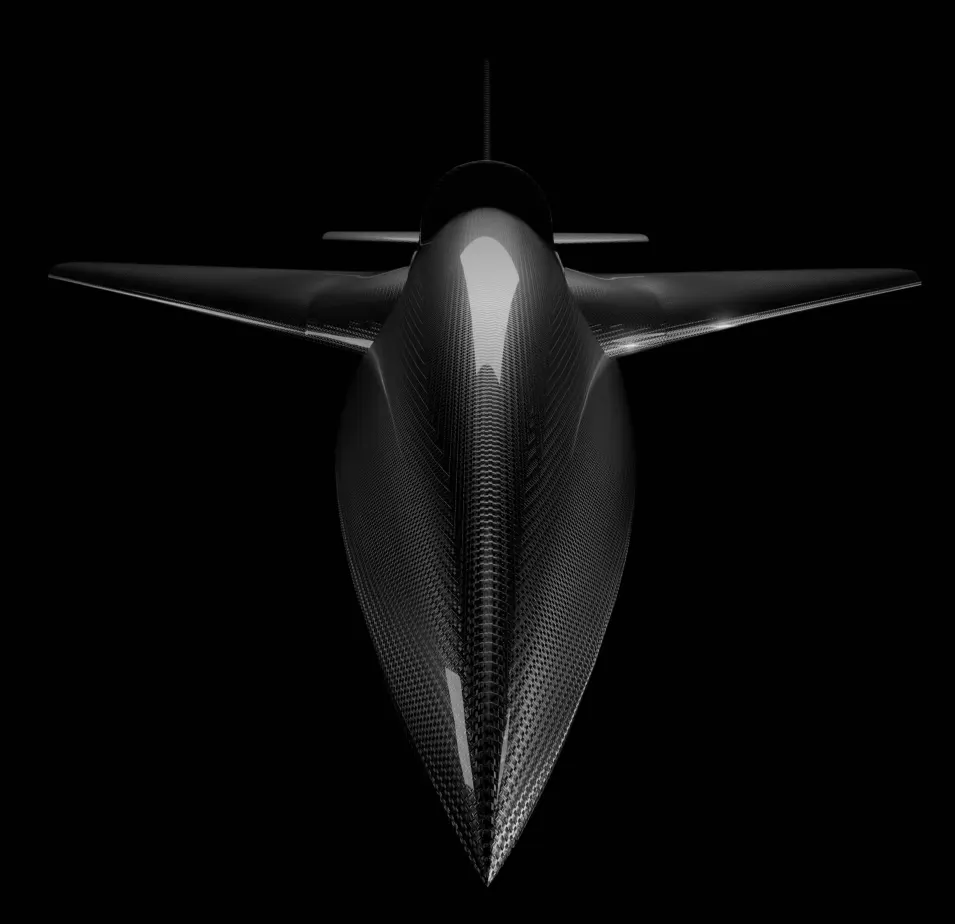
The Apollyon ADX-1 is an autonomous strike platform that operates at jet speeds (Mach 0.5). In this environment, design is no longer about "user delight"; it is about Human Performance.
When a platform moves at 166 meters per second, the gap between seeing a data point and acting on it can be the difference between mission success and a multimillion-dollar failure.

I explored the hypothesis that a State-Based Information Hierarchy - a UI that physically morphs its layout based on the mission phase - could significantly reduce cognitive load & improve target confirmation rates
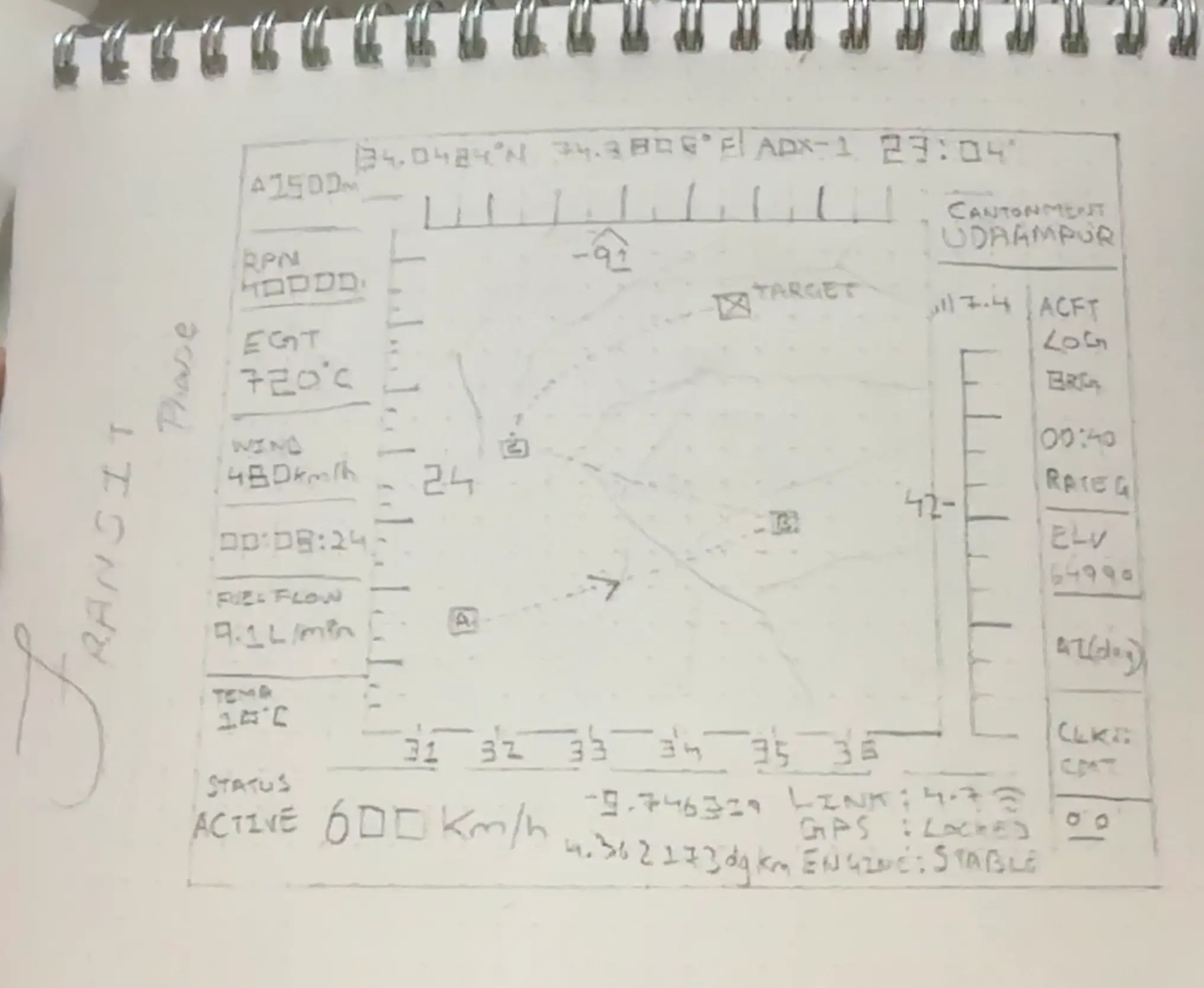
During long-range navigation, the operator acts as a systems manager.
Navigation pathing, Signal Link health, and Turbojet vitals (Exhaust Gas Temp, Fuel Flow).
A comprehensive "expert view" that prioritizes hardware health to ensure the drone reaches the mission area.
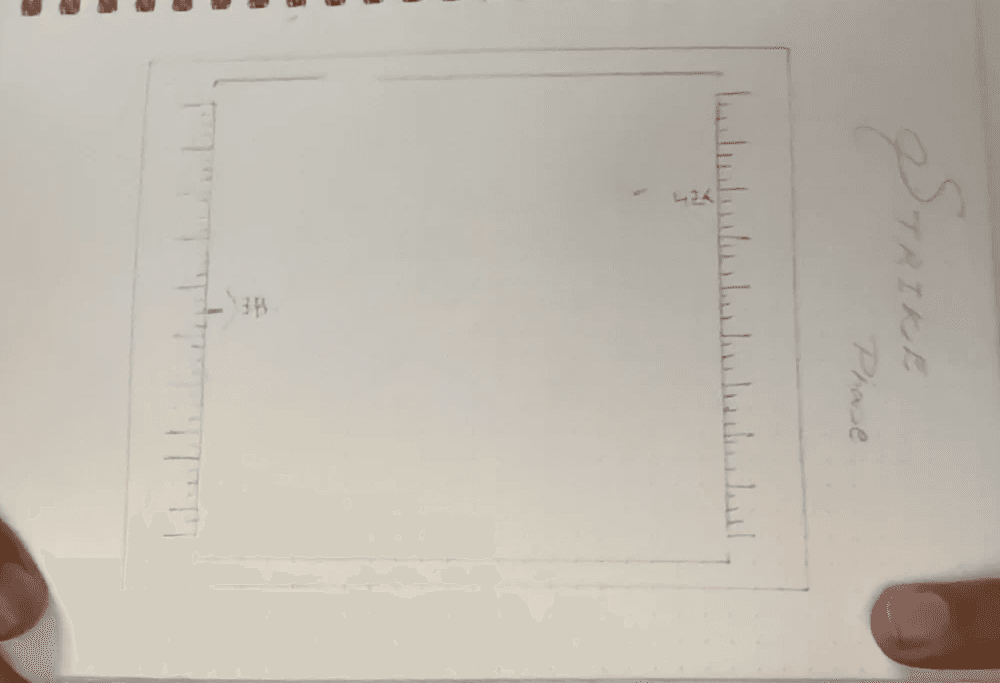
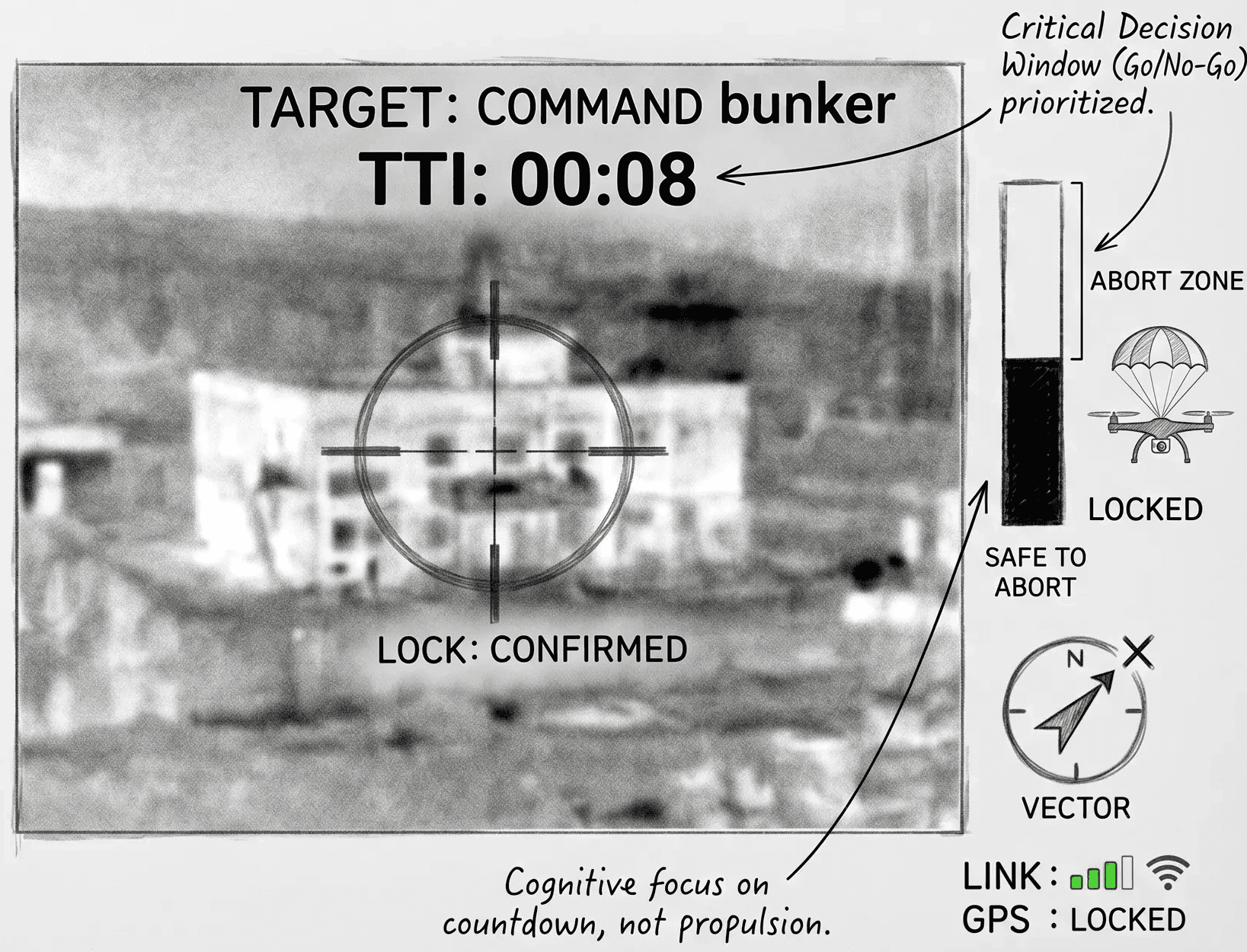
In the final 10 seconds of terminal engagement, the operator's role shifts to visual confirmation.
I suppressed all non-essential propulsion data. The turbojet temp doesn't matter if you're 5 seconds from impact.
The Seeker (Thermal) Feed expands to full screen. We introduce a massive TTI (Time to Impact) countdown and a "Point of No Return" Abort Bar to simplify the "Go/No-Go" decision.
This wasn't just a UI exercise. It was a study in Human Factors.
Developing predictive target overlays to compensate for the 150km signal lag.
Testing high-contrast color palettes for readability in high-glare field conditions (e.g., desert or high-altitude operations).
Integrating physical controller resistance (HOTAS) as the drone approaches the "Point of No Return."
Failure stopped being a terminal state.
Users consistently exited failure screens knowing what went wrong, why it mattered, and what to do next, which reduced drop-off after unsuccessful interviews and increased willingness to retry.
Design is a force multiplier.
For deep-tech startups like Apollyon, the interface is the final bridge between advanced hardware and successful mission outcomes.
This exploration was shared publicly to invite discussion from people building in this space.
The founders and team at
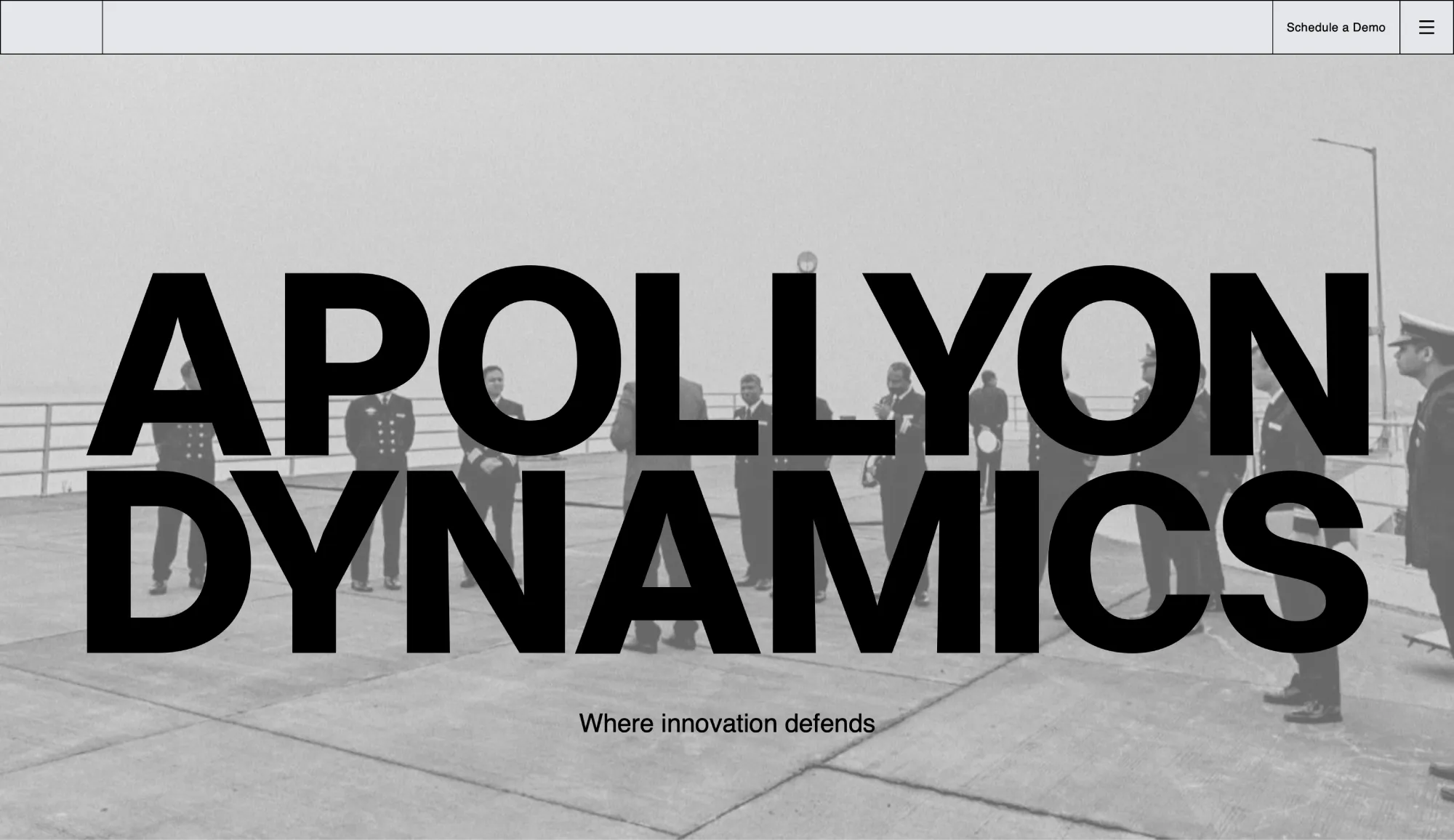
Apollyon Dynamics
engaged with the work, acknowledging the analysis and contributing to the conversation.



The team at Apollyon engaged with the ideas, signaling alignment with real-world challenges.
ッ

Design isn't about Aesthetics, it's about Storytelling, evoking emotions and driving actions